

Detoxification, Mold & Environmental Health
Environmental exposures are an often-overlooked driver of chronic symptoms, inflammation, hormone disruption, and immune dysfunction. For many individuals, the source of persistent health issues isn’t stress or aging—it’s what the body is silently responding to every day.
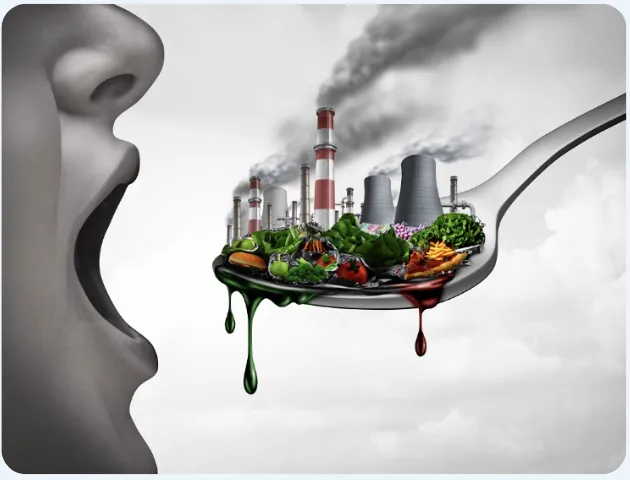
At Everliv Health, we take a comprehensive, root-cause approach to mold and environmental toxin exposure. Using advanced environmental, inflammatory, metabolic, and immune testing, we evaluate how your body is responding to mycotoxins, heavy metals, chemicals, and other environmental stressors—and whether your detoxification pathways are functioning effectively.
Mold exposure and toxin burden can disrupt nearly every system in the body, contributing to symptoms such as chronic fatigue, brain fog, headaches, sinus congestion, digestive issues, skin changes, hormone imbalance, anxiety, weight resistance, and unexplained inflammation. Many patients are told their labs are normal or that symptoms are “non-specific,” while the underlying exposure remains unaddressed.
Our physician-led functional medicine approach focuses on identifying why your body is struggling to clear toxins, calming the inflammatory response, supporting detoxification pathways, and restoring resilience at a cellular level. Care is personalized, measured, and guided by data—not guesswork.
This is care designed to help your body recover from environmental stress, reduce inflammatory load, and regain clarity, energy, and balance.
Detoxification, Mold & Environmental Health FAQ
1. What is functional medicine for mold and toxin exposure?
Functional medicine for environmental exposure focuses on identifying and treating the root causes of toxin-related illness. It evaluates mycotoxins, detox pathways, inflammation, immune response, and metabolic health to support safe and effective recovery.
2. What symptoms are associated with mold or toxin exposure?
Symptoms may include chronic fatigue, brain fog, headaches, sinus issues, respiratory symptoms, digestive problems, skin rashes, anxiety, mood changes, hormone imbalance, and unexplained inflammation or autoimmune flares.
3. How does mold exposure affect the body?
Mold exposure can trigger immune activation, inflammation, neurological symptoms, hormonal disruption, and impaired detoxification. In susceptible individuals, even low-level exposure can lead to chronic symptoms.
4. What tests are used to evaluate mold and toxins?
Testing may include mycotoxin panels, heavy metal assessments, inflammatory markers, immune markers, nutrient status, and liver detoxification support markers. These tests help determine exposure and the body’s response.
5. Why do some people react more strongly to mold than others?
Genetics, immune function, gut health, and detoxification capacity influence how the body handles toxins. Some individuals have reduced ability to clear environmental exposures, making them more vulnerable to symptoms.
6. Can mold or toxins cause hormone imbalance?
Yes. Environmental toxins can disrupt hormone signaling, interfere with thyroid and adrenal function, and contribute to estrogen or testosterone imbalance—impacting energy, mood, weight, and metabolic health.
7. Is mold illness the same as an allergy?
No. While mold allergies affect the respiratory system, mold illness involves systemic immune and inflammatory responses that can affect the brain, hormones, gut, and metabolism—even without classic allergy symptoms.
8. How is mold and toxin exposure treated in functional medicine?
Treatment may include personalized nutrition, detoxification support, gut repair, immune modulation, lifestyle strategies, and careful monitoring. Plans are tailored to minimize stress on the body and support safe toxin clearance.
9. How long does recovery from mold or toxin exposure take?
Recovery timelines vary. Some patients experience improvement within weeks, while deeper detoxification and immune recovery may take several months. Progress depends on exposure history, biology, and consistency of care.
10. How do I get started with mold and environmental toxin care?
Care begins with a comprehensive environmental exposure assessment and advanced testing. From there, a personalized plan is created to reduce toxic burden, calm inflammation, and support long-term healing.
© Everlivhealth.com
300 E Maple Rd
Suite 340
Birmingham, MI 48009